Recommended by
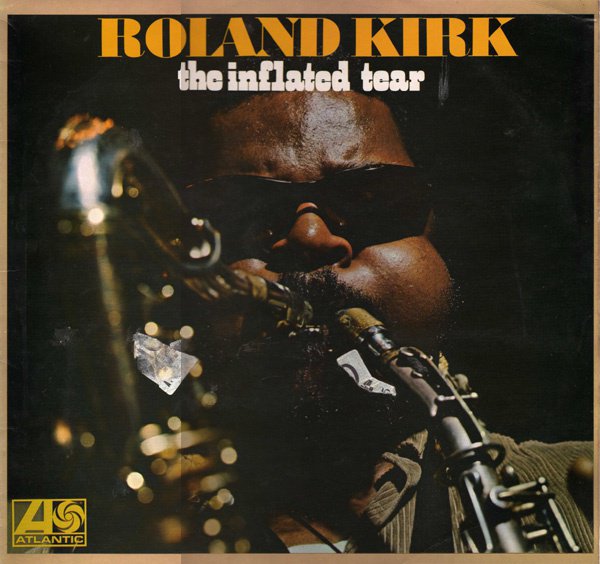
The Inflated Tear
Few jazz musicians truly embodied that odd but appealing blend of the sacred and the absurd quite like Roland Kirk. We’re talking about a man who’d play multiple horns at once, all coming across like some kind of wild musical stuntman until you realized that he was doing it to create the kind of stunning harmonies that had never before emanated from a single set of lungs. The Inflated Tear‘s eight originals — plus a rapturous upending of Ellington’s “Creole Love Call” — also showcase Kirk as someone who didn’t have much use for separating the blues from the bop or the mournful from the joyful. His playing on opener “The Black and Crazy Blues” (which his liner notes designate as his preferred postmortem soundtrack to his ashes being mixed with pot and smoked) runs through a remarkable spectrum of evocative pathos, from borderline anguish to a shrugging, exasperated well, shit. He plays with exuberance about the love in his life, too, including a sprightly flute-led tribute to his son (“A Laugh for Rory”) and some of the most expressively manic fusillades of euphoric playing in his catalog (“Many Blessings” and closer “Lovellevelliloqui” are absolute jaw-droppers). And musicians in every genre from fellow post-bop jazz players to avant-garde composers to prog-rock showmen must bow to the title cut, Kirk’s three-sax harmonizing technique blaring out one of the most startling assemblage of dissonance-flirting notes in jazz, lightning-bolt epiphanies striking amidst the trippy yet melancholy surroundings.
Recommended by