
Kenny Dennis IV
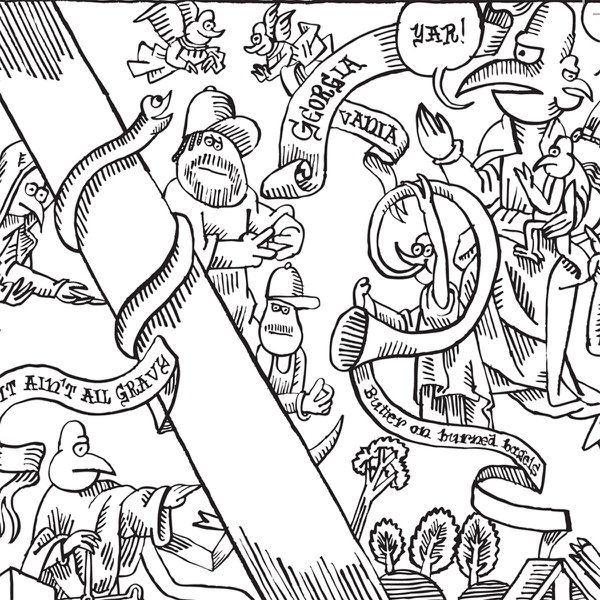
In some ways, 2024’s KDIV feels like an attempt at closure for one of the longest-running alter egos in music. After nearly two decades of characterization and storytelling that veered equally into regional-humor goofiness and genuine pathos, the fourth-but-really-more-like-a-dozenth album in the Kenny Dennis saga concludes on a tragicomic solo piano ballad, “Juelie and Me,” that plays like the final eulogy for a woman he can’t forget but knows he has to move on from. Kenny is still Kenny as Serengeti made him throughout KDIV; one significant moment on the album comes during “The Most,” where he takes stock of everything he’s gone through by kicking things off with some “Super Bowl Shuffle” lore as a way of acknowledging “sometimes rap hurts and breaks up friends.” But the vivid Chicago Guy caricature of old has matured into something more complicated, both as a reflection of his fictional development and of Serengeti’s approach to his storytelling, not to mention the nuances of his voice and his flow. Kenny’s rasp sounds memorable when he’s in agitated grand-plan mode a’la “Business,” but at its best when he’s as measured as he is on the contemplative “Smooth Jazz” or driving the memory lane of street-ball and American Gladiator recollections on “Dino.” It’s not the giddy rush of Kenny Dennis LP or the lowest-moment reckoning of Dennis 6e, but a reconciliation of those two moods, complete with lyrical callbacks on “Heat Not Hot” to previous joints from “Dennehy” onwards pulling it all together in what becomes a consolidated recitation of his most positive motivations and a fully realized sense of self. There’s a feeling of potential culmination here, too. The return of Anders Holm in his Kenny Dennis III role as narrative presence (backed by compositions by Sufjan Stevens), the beats from past partners like Andrew Broder and Kenny Segal alongside new dusty-jazz-beat-flipping teamups with lifer Open I and up-and-comer Thrifty, and the tied-together story threads all give KDIV a further sense of wrapped-up finality. And if that’s really the case, then it’s a perfect ending: a depiction of a man who might not have found total satisfaction but is at least at peace with his past. It’s a place he’s still happy to visit, but with the sense, finally, that he’s still got a worthwhile present to return to.
Recommended by