
Recommended by


Journey in Satchidananda
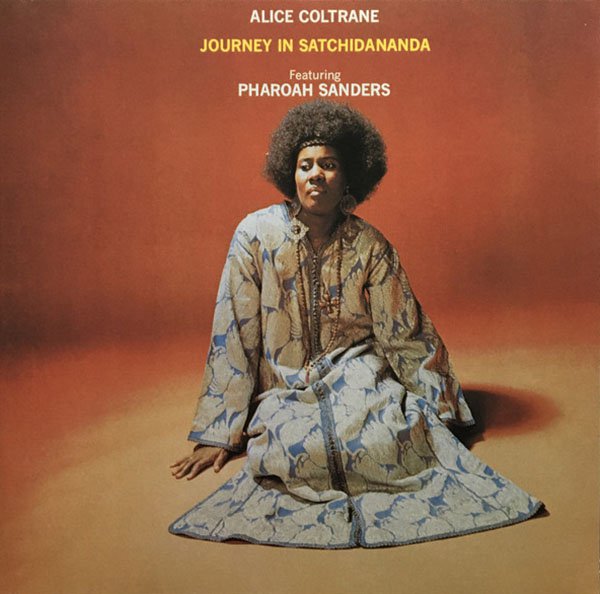
This album marks a point in Coltrane’s own spiritual development, as well as a moment in the process of jazz finding the borders of its freedom. Over time, Journey took a third identity: yoga studio staple. This anecdotal fact is not presented to denigrate Coltrane’s work but to be concrete about how fully this album transitioned into the 21st century. People who do not know any other energy-based jazz know this album. And what they know, most likely, is Cecil McBee’s stately opening bassline and the friendly buzz of Tulsi’s tamboura. More of the album’s voice is in Pharoah Sanders’s saxophone, as Coltrane sticks to shifting clouds of sound with her harp and piano. What Journey proposes is that the intensity of free music—or “fire music,” as Archie Shepp called it in 1965—can be contained within gentleness and not lose its flame.
Recommended by